Mind Health Ireland
Counselling and Psychotherapy
Ennis, Co. Clare

Affective Blunting
Affective blunting or feeling emotionally numb can occur after a Trauma, Grief, Persistently caring for others or through repeated stress at work.
It means that a person cannot experience their emotions whether negative or positive. It is a sensation of being outside your body looking in at yourself. It maybe due to just reacting to the requests of your life rather than being proactive in your life approach.
There maybe a fear of sitting with something difficult and numbing your emotional response is safer than sitting with the expected feeling of that emotion.
Talking to a therapist allows you to feel safe in going to that place where the emotion resides it allows you to find a safe space to sit with the fear of these thoughts, behaviours and emotions.

Anger How do you express your needs without hurting others? Anger can be suppressed by being redirected to another activity or channeled into another emotion. Surpressed anger can lead to physical health problems such as high blood pressure or depression. When suppressing anger, you may direct your anger indirectly at others in a passive-aggressive manner […]

Attachment Theory Attachment theory is the identification of four primary attachment styles: secure, dismissing, preoccupied, and fearful. These styles represent distinct patterns of thoughts, emotions, and behaviors exhibited in close relationships. This model of work arose from experiments conducted by Mary Ainsworth on a child's interaction with their caregiver. Categorising your attachment style into one […]
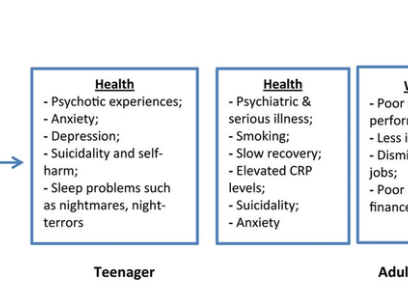
Bullying Research on bullying concludes that victims of bullying in childhood suffer long-term effects on adult mental health, including anxiety, depression, substance use and behavioral disorders. Being a victim of bullying has an impact on the well-being of children, including subjective health, life satisfaction, anxiety disorders, depression, physical symptoms, sleep disturbances, loneliness, social isolation, low […]

Emotional regulation For some people maintaining an emotion equilibrium can be incredibly difficult. Therapy allows you to find a solution maintain regulation using interventions and modalities to help achieve this equilibrium. Some modalities that can be used for this include: Acceptance and Commitment Therapy (ACT) The ACT approach focuses on creating a quality of life […]
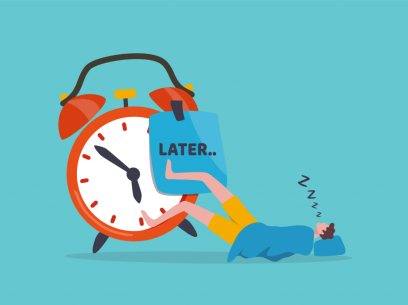
Procrastination Procrastination is commonly framed as an irrational tendency to delay required tasks or assignments despite the negative effects of this postponement to an individual. Procrastination can affect a person’s mood, their self-belief and their self-esteem. Research states that procrastination can originate from several factors, including lack of conscientiousness associated with competence, order, dutifulness, achievement-striving, […]